
Disenfranchised grief is grief that other people do not fully see, name, or support, which can leave you doubting whether your pain even counts. It shows up after losses like miscarriage, infertility, estrangement, or the death of a former partner, situations where a friend might say “at least it was early” instead of simply saying they are sorry. This guide covers the disenfranchised grief definition, real disenfranchised grief examples, and practical ways to find support that actually helps.
What Is Disenfranchised Grief? A Clear Definition
So what is disenfranchised grief, exactly? Grief researcher Kenneth Doka coined the term to describe a type of loss that society does not treat as worthy of open mourning. The griever might lack a title that others recognize as close enough, the relationship might be viewed as too minor, or the loss itself might carry shame that keeps everyone quiet about it.
In short, unacknowledged grief is still real grief. It simply lacks a socially approved outlet. There is no funeral, no bereavement leave, no meal train, and often no one who asks how you are actually doing.
This is different from grief just being difficult. Every loss is painful in its own way. Disenfranchised grief adds a second layer on top of the pain: the sense that you are not allowed to grieve this particular loss out loud, or that admitting how much it hurts will invite awkwardness or judgment instead of comfort.
The concept matters because it explains a common experience. Many people who lose a pregnancy, a former spouse, a pet, or a relationship with a living but absent family member describe feeling like frauds for grieving so hard over something others consider small. That feeling is not a personal flaw. It is a predictable result of grief without recognition.
Disenfranchised Grief Examples You May Recognize
Disenfranchised grief examples span a wide range of situations, and only some of them involve a death. What connects them is a gap between how much the loss matters to the person carrying it and how little support the people around them offer.
Common examples include:
- Miscarriage, infertility, or a failed round of fertility treatment
- The death of a former partner, close friend, or pet
- Family estrangement, including grief over a parent, sibling, or adult child who is alive but no longer part of your life
- Watching a loved one fade through dementia or severe addiction
- A stigmatized death, such as one linked to suicide, overdose, or a crime
- Loss of identity, health, faith, or a future you had built plans around
Losses that never involved a death
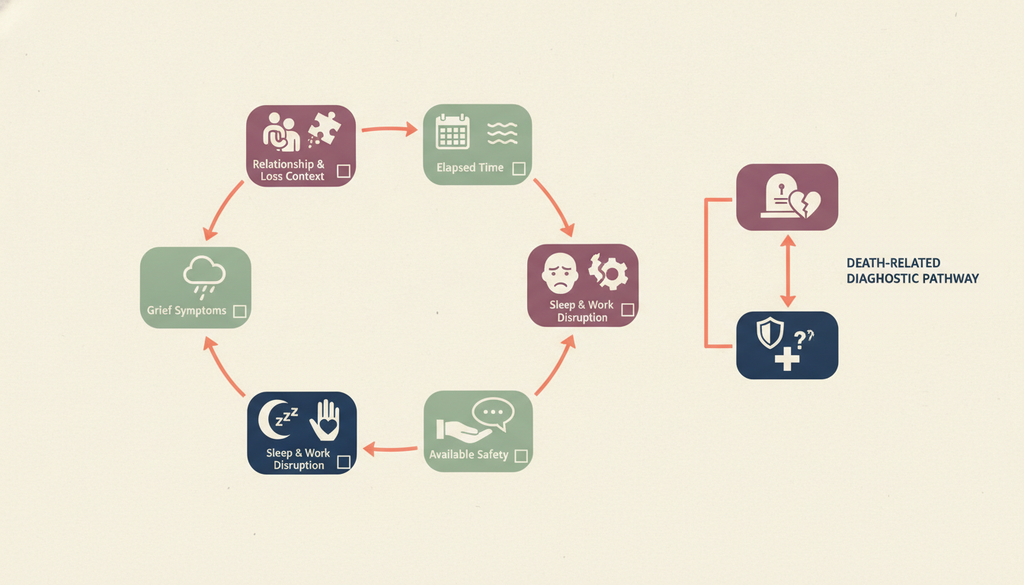
Miscarriage and infertility sit near the top of this list because they often happen quietly. Friends and coworkers may not have known about the pregnancy or the fertility treatment in the first place, so there is no shared context for the loss when it happens. The grief is real, and it is often carried almost entirely alone.
Deaths that others minimize
Some deaths get treated as smaller losses because of the relationship label attached to them. A former spouse, an ex-partner from years ago, or a beloved pet may not qualify for time off work or formal condolences, even though the person grieving may have shared years of daily life, routine, and identity with them. Formal titles rarely match the actual depth of attachment.
Ongoing and uncertain losses
Estrangement is one of the clearest examples of grief without a death. A parent can spend years missing a child who is alive but unreachable, replaying old conversations, and dreading holidays. Psychologists sometimes describe this as ambiguous loss, where the person is physically present or physically alive but psychologically or relationally gone. Grief tied to estrangement can be just as consuming as bereavement, even though the person you miss might be a phone call away.
Dementia creates a similar pattern in reverse. A spouse may sit beside a partner who no longer recognizes them, grieving the relationship they used to have while still providing daily care. Researchers who have catalogued dozens of examples of disenfranchised grief note a shared thread across all of them: the loss is real, but the social response treats it as minor, temporary, or private business that outsiders should not comment on.
Why Unacknowledged Grief Feels So Hard
Unacknowledged grief carries what some clinicians call a secondary wound, which sits on top of the original loss. The first wound is the loss itself. The second is the pain of being dismissed, minimized, or quietly judged for still hurting over it.
Comments like “at least you can try again,” “you two were not even married,” or “at least they are still alive” usually come from people who mean well. They still land as proof that the loss does not fully count. A parent grieving estrangement does not need someone to point out that their child is technically alive. They already know that. What they need is acknowledgment that the relationship they lost was real.
Timeline pressure adds another layer. Comments about needing to move on by a certain point ignore how unevenly grief actually unfolds. Some people feel steadier within weeks. Others carry heavy grief for years without anything being wrong with them. Neither pattern is a failure, and neither deserves a deadline set by someone standing outside the loss.
The end result of repeated dismissal is often silence. People stop mentioning the loss. They stop asking friends and family for help. Over time, many start to believe their own reaction is the problem, rather than recognizing that the problem was a lack of support around them in the first place.
How Disenfranchised Grief Shows Up At Work
Workplaces are one of the most common places where unacknowledged grief gets buried. An employee grieving a miscarriage, an estrangement, or a pet’s death rarely qualifies for standard bereavement leave, and many worry about judgment if they try to explain why they need time away.
Research on pregnancy loss policies found that many workers end up relying on informal kindness from a single manager rather than any consistent, formal support. Where policies are vague or a supervisor is unsupportive, people are more likely to hide what they are going through, use general sick days instead of naming the real reason, and return to work before they feel ready.
A short, private acknowledgment from a coworker or manager tends to help more than a policy binder. Something as simple as covering a meeting without demanding an explanation, or saying “take the time you need” instead of asking for medical details, can be the difference between someone feeling supported and someone feeling watched.
What Helps When Grief Goes Unrecognized
You cannot force other people to understand a loss they do not relate to. You can look for, or build, the kind of support that actually helps you carry it.
If you are the one grieving
Start by naming the loss out loud, even briefly, to one person you trust. Saying “I am grieving this, even though I know other people might not get it” can be a relief on its own. Ask directly for what you want, whether that is a listening ear, practical help with everyday tasks, or company without much conversation at all.
Watch for the kinds of responses that tend to shut people down: comparisons to other losses, pressure to feel grateful, or advice nobody asked for. You are allowed to change the subject, set a boundary, or step away from a conversation that is not helping. Peer groups built around a specific kind of loss, such as pregnancy loss or family estrangement, can offer something general friends often cannot: people who already understand exactly what you are describing.
Grief with no public ritual can still get a private one. Writing a letter you never send, marking an anniversary quietly, or keeping a small object tied to the memory can give the loss a shape, even when no one else sees it.
If you are supporting someone else
The most useful response is usually simple: acknowledge the loss by name, say you are sorry, and ask what kind of help would actually be welcome. Skip the comparisons and the silver linings. A person grieving a miscarriage does not need to hear that they can try again. A person grieving an estranged parent does not need to hear that at least the door is still open. They need someone willing to sit with the loss as it actually is.
Following up matters as much as the first response. Support tends to disappear quickly after the first week or two, right around the time reminders like anniversaries, holidays, or due dates start to resurface. A brief message weeks or months later, something like “I have not forgotten what happened,” can mean more than an elaborate gesture offered only once.
When To Seek Professional Grief Support
Grief does not move in a straight line, and it does not follow the same timeline for everyone. One study following more than 1,700 bereaved people identified several distinct grief symptom patterns over a three year period. Most people settled into manageable, low level grief, while a smaller group remained stuck in persistent, high level distress well beyond what friends and family expected.
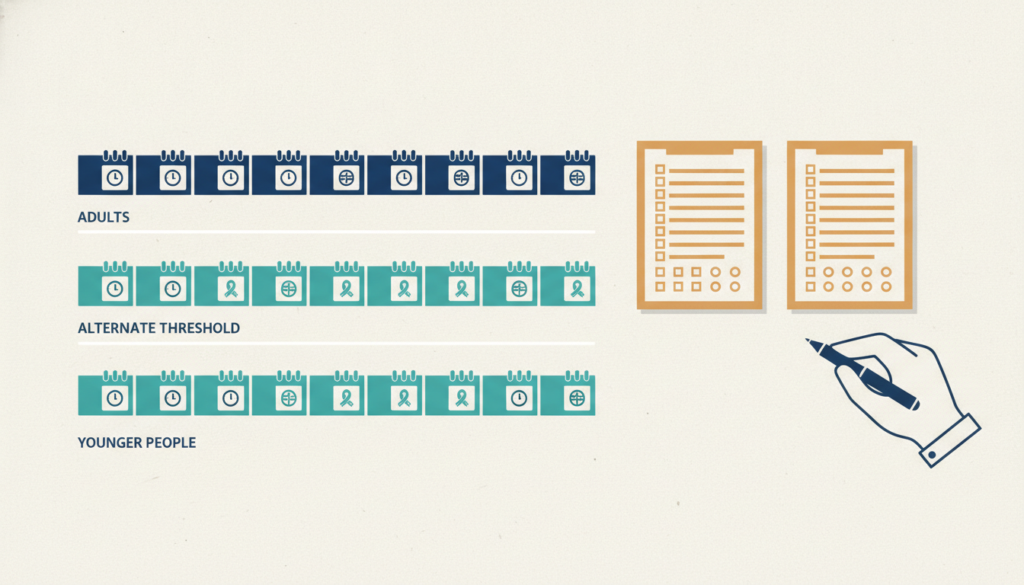
Professional support is worth considering if grief is disrupting your sleep, work, relationships, or basic safety for weeks at a time, or if you notice yourself withdrawing from nearly everything you used to care about. A meta-analysis of 31 randomized trials found that grief focused therapy produced small to moderate improvements in grief symptoms, and the benefit was still there at follow-up. The effect shrank once researchers adjusted for publication bias but remained statistically significant, which makes therapy a reasonable option even when the loss itself is not widely recognized by the people around you.
You do not need permission from anyone else to decide that a loss deserves professional attention. If your grief feels heavier than the people around you seem to think it should, that mismatch is often exactly why outside support helps. A therapist who understands unacknowledged loss will not ask you to prove that your grief is valid before helping you work through it.
Why This Matters
Grief that goes unnamed does not disappear. It tends to show up sideways, in sleep problems, irritability, quiet withdrawal, or a slow erosion of trust in your own judgment about what deserves grief in the first place.
Naming a loss as disenfranchised grief is not about winning an argument with the people who dismissed it. It is about giving yourself permission to grieve fully, ask for support honestly, and stop treating your own pain as something you owe an explanation for.
If disenfranchised grief is weighing on you and affecting your daily life, you do not have to carry it without help. Reach out to learn more about our outpatient programs at The Summit Wellness Group.
